
Introduction
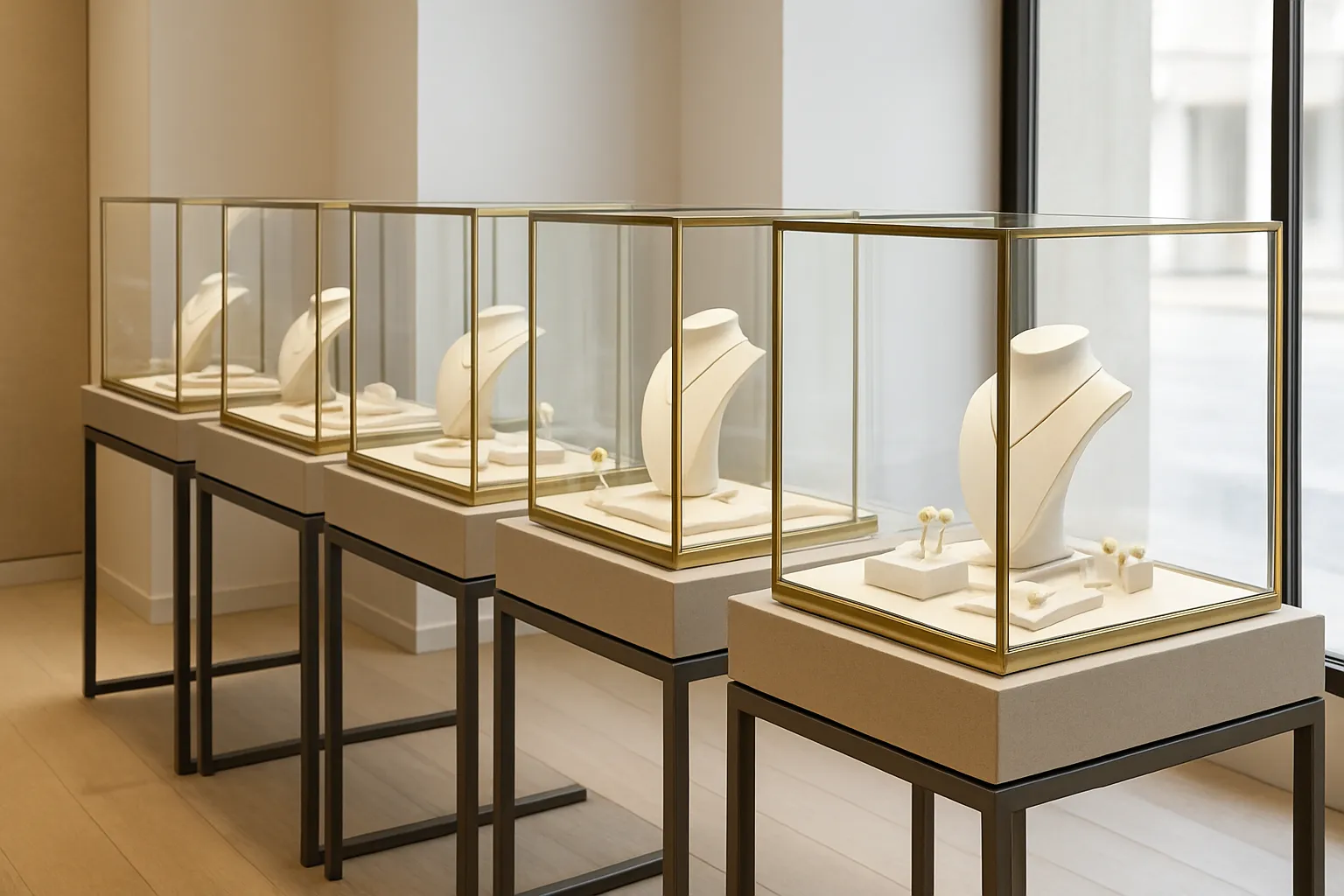
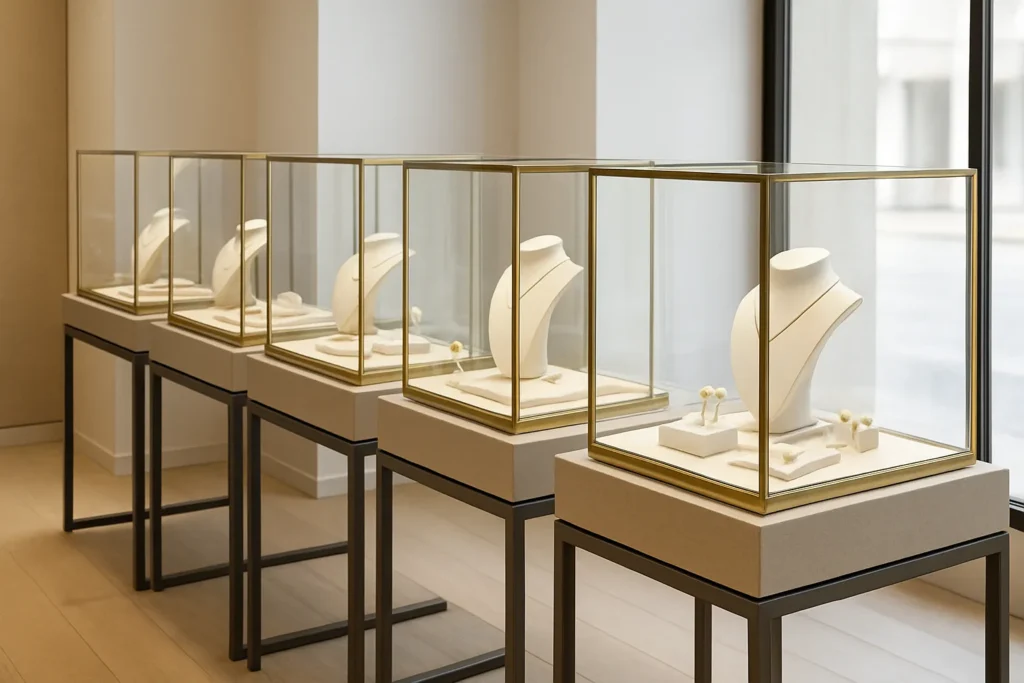
In the competitive world of retail, presentation is everything, particularly in the jewelry sector. Jewelry display cases are not just simple containers; they play a pivotal role in showcasing merchandise while crafting an inviting atmosphere that encourages customer engagement. From my experience, a well-designed retail display cabinet can significantly influence how products are perceived, ultimately driving sales.
In this article, we will explore the importance of jewelry display cases, their specifications, various use cases, comparisons with alternative display options, effective sourcing strategies, and implementation practices, along with some frequently asked questions.
Specifications of Jewelry Display Cases
When it comes to jewelry display cases, specifications can vary widely based on the retailer’s needs. Here are some key considerations:
- Materials Used in Display Cases: Jewelry display cases are typically crafted from glass, wood, and metal. Glass is often preferred for its clarity, allowing customers to see the jewelry without obstruction. Wood provides a classic and warm aesthetic, while metal frames offer durability and a modern touch.
- Size and Dimensions Considerations: The size and dimensions of display cases should be carefully tailored to the retail space and the type of jewelry displayed. Retailers must strike a balance between ample display space and available floor area to ensure a cohesive store layout.
- Security Features and Locking Mechanisms: Security is paramount in jewelry retail. Many display cases come equipped with locking mechanisms and reinforced glass to thwart theft. Retailers should prioritize cases that offer robust security features while maintaining an attractive presentation.
Use Cases for Jewelry Display Cases
Jewelry display cases serve a multitude of purposes within a retail environment. Here are a few notable use cases:
- Retail Store Layout Optimization: Strategically placing display cases can optimize store layout, guiding customers through the space and highlighting key products. This can enhance the overall shopping experience and increase the likelihood of purchases.
- Enhancing Customer Experience: A well-arranged display can create an inviting atmosphere that encourages customers to explore. Clear visibility and accessibility to jewelry pieces can lead to a more engaging shopping experience.
- Showcasing Different Jewelry Types: Different types of jewelry, such as rings, necklaces, and bracelets, can be effectively showcased using specialized display cases. Each type can have its designated area, allowing for organized presentation and easier customer navigation.
Comparisons of Display Options
When considering how to display jewelry, retailers have several options. Here’s a comparison of some common choices:
- Jewelry Display Cases vs. Traditional Display Methods: Unlike traditional display methods, jewelry display cases provide a secure and polished way to present products. They protect items while enhancing visibility, making them a superior choice for high-value items.
- Glass vs. Acrylic Display Cases: Glass display cases offer clarity and elegance, making them ideal for high-end jewelry. Acrylic, while lighter and often more affordable, can scratch easily and may not provide the same level of sophistication.
- Wall-Mounted vs. Freestanding Cabinets: Wall-mounted display cases can save floor space and create a sleek look. Freestanding cabinets can serve as focal points within the store. The choice between the two often depends on the store’s layout and design preferences.
Sourcing Jewelry Display Cases
Finding the right jewelry display cases involves careful consideration. Here are some tips to guide you:
- Where to Buy Quality Display Cases: Retailers can source display cases from specialized manufacturers, online retailers, or local suppliers. It’s essential to choose a vendor that offers a variety of styles and customization options. For more options, check out Huaxin Crafts.
- Evaluating Suppliers and Manufacturers: When selecting suppliers, retailers should consider reputation, product quality, and customer service. Reading reviews and asking for recommendations can help in making an informed decision.
- Cost Considerations and Budgeting: Display cases come in a range of prices, so it’s vital to establish a budget. Retailers should weigh the cost against the quality and features of the display cases to ensure a good return on investment.
Implementation Strategies
Once jewelry display cases are sourced, effective implementation is key. Here are some best practices to consider:
- Best Practices for Arranging Display Cases: Display cases should be arranged to create a flow that encourages exploration. Grouping similar items together and using varying heights can create visual interest.
- Lighting Techniques for Jewelry Displays: Proper lighting can dramatically enhance the appeal of displayed jewelry. Using spotlights or LED strips can highlight specific pieces and create an inviting ambiance.
- Maintenance and Care for Display Cabinets: Regular maintenance is essential to keep display cases looking their best. This includes cleaning glass surfaces, checking security features, and ensuring that the display remains organized.
Frequently Asked Questions
- What Size Display Case is Right for My Store? The right size depends on your available space and the volume of jewelry you plan to display. Consider both the footprint and the height to maximize visibility.
- How to Choose the Right Style for My Brand? The style of the display case should align with your brand identity. Consider factors such as color, material, and overall design to ensure consistency with your brand image.
- What Are the Benefits of Using Display Cases? Display cases not only enhance security and organization but also improve the overall shopping experience, leading to increased sales and customer satisfaction.
In conclusion, maximizing retail space with stylish jewelry display cases is essential for any jewelry retailer looking to enhance their customer experience and boost sales. By carefully considering specifications, use cases, sourcing options, and implementation strategies, retailers can create an inviting and effective display that showcases their products beautifully. For more insights, refer to this industry reference from AZoM.